Natural Hair Dye Alternatives and Henna in Rochester NY
Discover the benefits of natural hair dye alternatives and henna. Michelle Doyle explains how to achieve beautiful color without harsh chemicals.
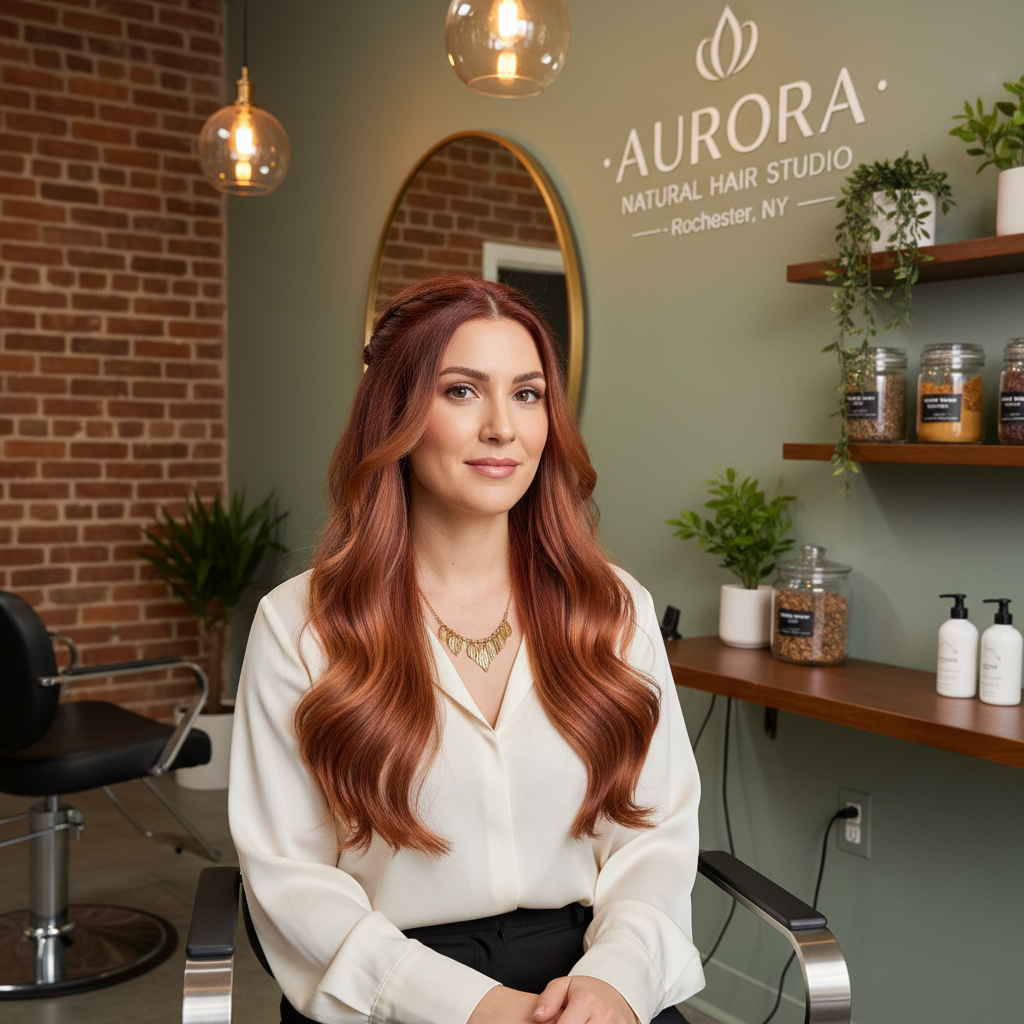
# Natural Hair Dye Alternatives and Henna
Many women today are seeking ways to enhance their beauty while staying mindful of the ingredients they put on their bodies. Exploring natural hair dye alternatives and henna has become a popular journey for those who want to avoid traditional synthetic chemicals. As a stylist here in Rochester, I often hear from clients who are curious about how these botanical options work, whether they offer full coverage, and how they interact with professional salon services. In this guide, we will dive deep into the world of plant based pigments and how you can achieve a stunning look while keeping your hair health as a top priority.
Understanding Natural Hair Dye Alternatives
When we talk about natural hair dye alternatives, we are generally referring to pigments derived from plants, minerals, or vegetables. Traditional permanent hair colors often rely on ammonia or ethanolamine to open the hair cuticle and deposit pigment. While these are effective, some individuals have sensitive scalps or prefer a more holistic approach to their beauty routine.
Natural options like beetroot, rhubarb root, and indigo have been used for centuries to tint the hair. However, it is important to understand that most botanical dyes work as a stain on the outside of the hair shaft rather than changing the internal structure. This means the result is often more translucent and multi-tonal. If you are looking for a shift in your look without the commitment of traditional chemicals, exploring these options at my studio for hair color Rochester NY can be a great starting point.
The Power and Permanence of Henna
Henna is perhaps the most well known of all natural hair dye alternatives. Derived from the Lawsonia inermis plant, henna contains a natural orange-red pigment molecule called lawsone. When mixed into a paste and applied to the hair, it binds to the keratin, creating a permanent, vibrant stain.
One of the unique aspects of henna is that it actually strengthens the hair. Unlike chemical dyes that can sometimes leave the hair feeling porous, henna fills in gaps in the hair cuticle, making the strands feel thicker and shinier. It provides excellent coverage for greys, turning them into bright, copper highlights that look incredibly natural. However, because henna is permanent and metallic salts can sometimes be present in lower quality brands, it requires a careful approach if you ever decide to transition back to traditional salon highlights.
Book your appointment → (585) 455-9480
Vegetable Dyes and Herbal Rinses
If you are not ready for the permanence of henna, there are lighter natural hair dye alternatives to consider. Herbal rinses made from chamomile, rosemary, or black tea can subtly shift your tone over time.
1. Chamomile Tea: Perfect for blondes who want to brighten their golden tones naturally. 2. Black Walnut Hulls: A powerful way to add deep brown tones to dark hair, though it can be quite messy to apply. 3. Cassia Obovata: Often called neutral henna, this plant provides the conditioning benefits of henna without the red color, though it can add a slight golden hue to very light hair.
These methods are fantastic for maintenance between visits for haircuts Rochester NY, as they keep the hair looking vibrant without causing damage. During a consultation, we can discuss how these home remedies might affect your professional color results.
Transitioning from Natural to Professional Color
A common question I receive is whether someone can switch from using henna or natural hair dye alternatives back to professional salon color. The answer is yes, but it must be done with extreme caution. Pure, body-art-quality henna is safe, but many store bought packets contain metallic salts. If these salts react with professional lighteners, it can cause the hair to heat up or even break.
Before we perform any significant changes, such as a balayage Rochester NY, I always perform a strand test. This allows us to see how your specific natural pigment reacts to professional formulas. Safety and hair integrity are my absolute priorities, ensuring that your hair remains healthy and beautiful throughout the transition process.
Why Choose Botanical Options?
Choosing natural hair dye alternatives is often about more than just the color. It is about a lifestyle shift toward sustainability and wellness. Many of my clients find that their scalp irritation disappears once they move away from oxidative dyes. Furthermore, the way natural dyes fade is often much softer, avoiding the harsh "line of demarcation" that occurs when roots grow in against a solid synthetic color.
If you are preparing for a special event, such as your wedding, you might be considering a more natural look. We offer comprehensive bridal packages that can be tailored to incorporate your preferred hair care philosophy. Whether you want a high-fashion look or a soft, earth-toned glow, we can make it happen.
Maintaining Your Natural Color
Regardless of which natural hair dye alternatives you choose, maintenance is key. Natural pigments can be sensitive to harsh sulfates found in many grocery store shampoos. To keep your plant based color looking its best, I recommend using pH balanced, sulfate-free products. Cold water rinses also help to seal the cuticle and lock in that botanical shine.
If you are curious about what these results look like in real life, feel free to browse my gallery to see a variety of color transformations. From deep earthy browns to vibrant copper reds, there is a world of possibility when we work with the ingredients nature provides.
Book your appointment → (585) 455-9480
Frequently Asked Questions
Q: Can henna cover 100 percent grey hair?
Yes, henna is very effective at covering grey hair. It typically turns grey strands a bright, translucent copper or orange-red. If you want a darker brown or black result, henna can be mixed with indigo in a two-step process to achieve full coverage on silver hair.
Q: Are natural hair dye alternatives safe for pregnant women?
Generally, botanical dyes like pure henna or vegetable rinses are considered safer alternatives during pregnancy because they do not contain ammonia or parabens. However, you should always consult with your doctor and perform a patch test to ensure you do not have any new sensitivities during this time.
Q: Will natural dyes wash out quickly?
It depends on the type. Herbal rinses like tea or coffee will wash out in one or two shampoos. Henna, on the other hand, is extremely permanent and does not wash out. It must grow out or be very carefully lifted by a professional stylist.
Q: Can I use professional color over natural dyes?
You can, but it requires a professional consultation. Some natural dyes contain metallic salts that react poorly with salon chemicals. Always inform your stylist of exactly what products you have used at home so we can ensure a safe and beautiful result.
Ready to transform your look?
Book your appointment → (585) 455-9480Michelle Doyle
Professional Hair Stylist • Rochester, NY
With years of experience in hair coloring, cutting, and styling, Michelle helps Rochester women look and feel their best. Specializing in balayage, bridal hair, and transformative color work.
Book an Appointment →Related Posts
Fall Hair Color Ideas for the Perfect Look in Rochester NY
Discover stunning fall hair color ideas inspired by the changing Rochester seasons. From deep auburn to golden honey, find your next look with Michelle Doyle.
Gray Hair Blending Rochester NY: Embrace Natural Silver
Discover how gray hair blending in Rochester, NY can transform your look. Transition to silver gracefully with expert techniques from Michelle Doyle.
Transitioning From Dark To Blonde Safely in Rochester NY
Ready to go blonde? Learn how to transition from dark to blonde safely while maintaining hair health with expert tips from Michelle Doyle in Rochester.
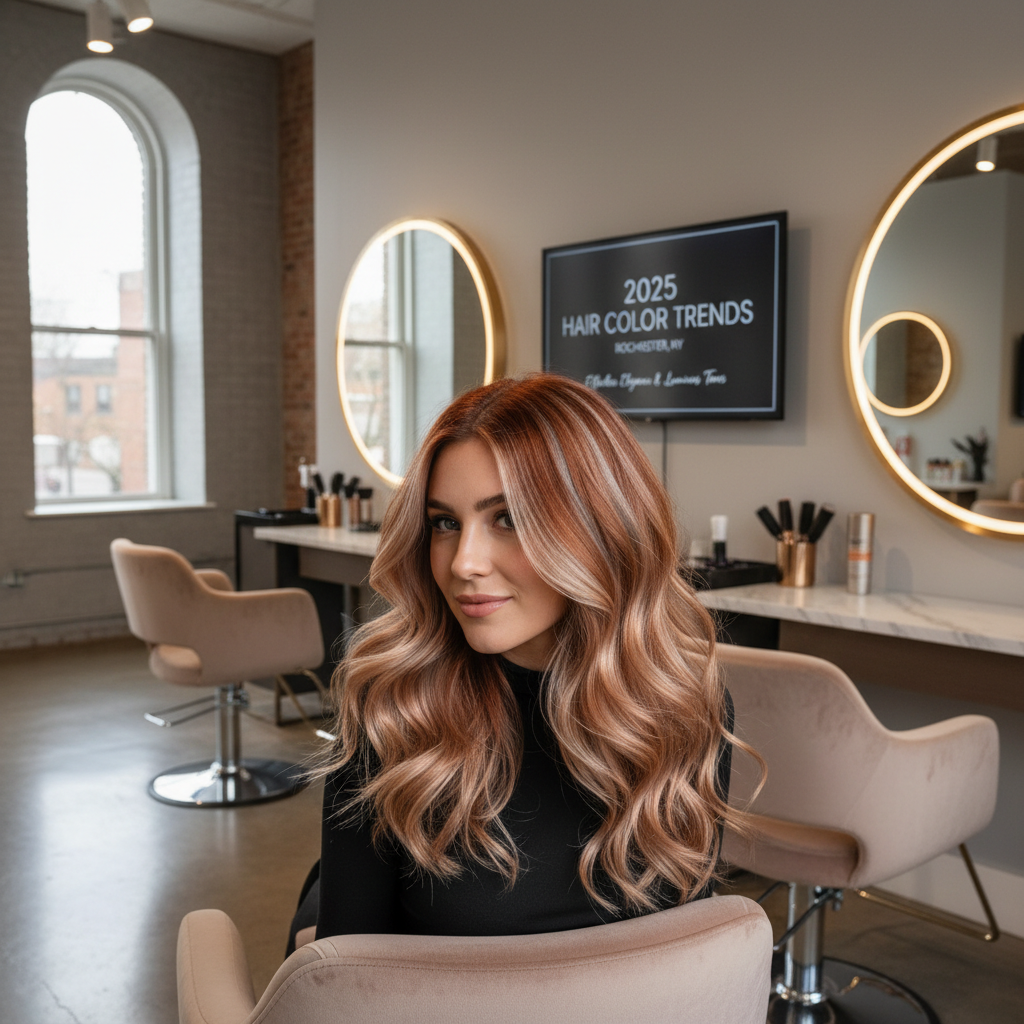
2025 Hair Color Trends for Rochester NY Women
Discover the top 2025 hair color trends for Rochester NY women! From Buttercream Blonde to Midnight Onyx, see what's trending at Michelle Doyle's salon.